
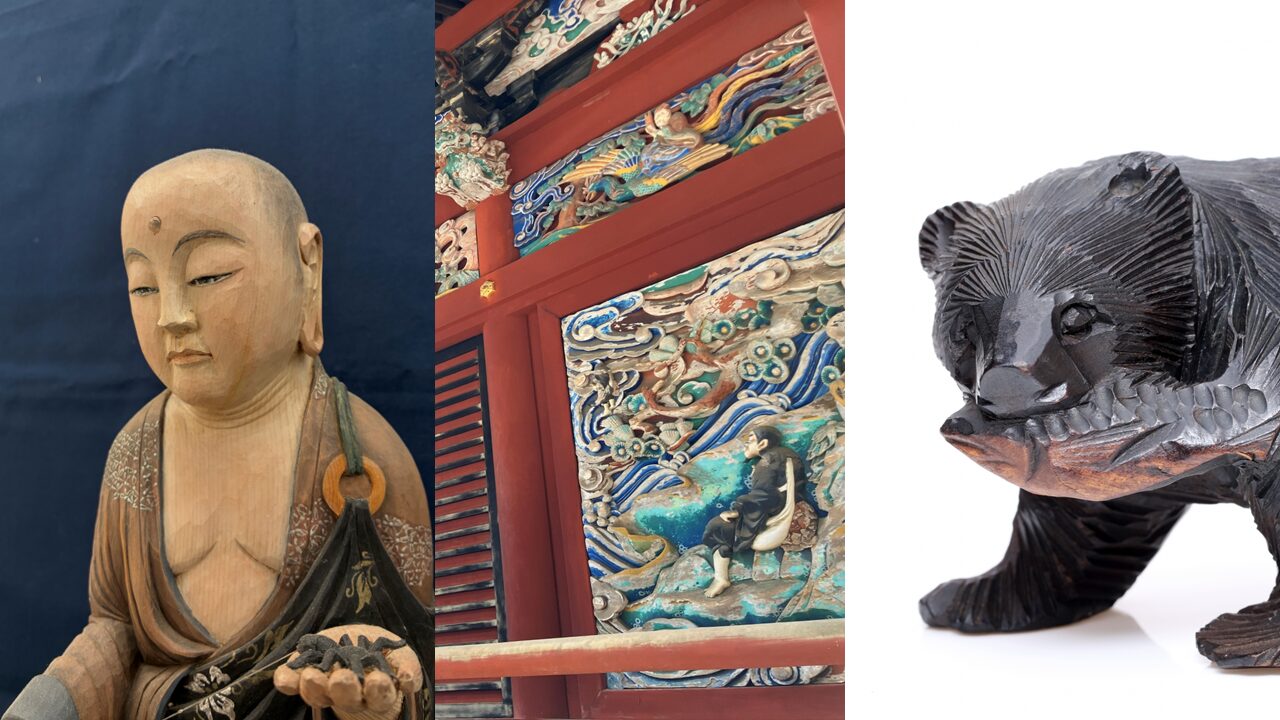
When people hear the word wood carving, they often imagine a single category: sculpture made from wood, usually displayed in a gallery or museum.
In Japan, however, the meaning is much broader.
The same word can refer to sacred Buddhist statues, decorative architectural carvings, folk crafts, toys, or contemporary art pieces. These are not always separated clearly in everyday language. They are all understood, in different ways, as part of “wood carving.”
This wide range tells us something important about Japanese culture.
1. Religious Wood Carving
One of the most well-known forms is the carving of Buddhist statues found in temples.
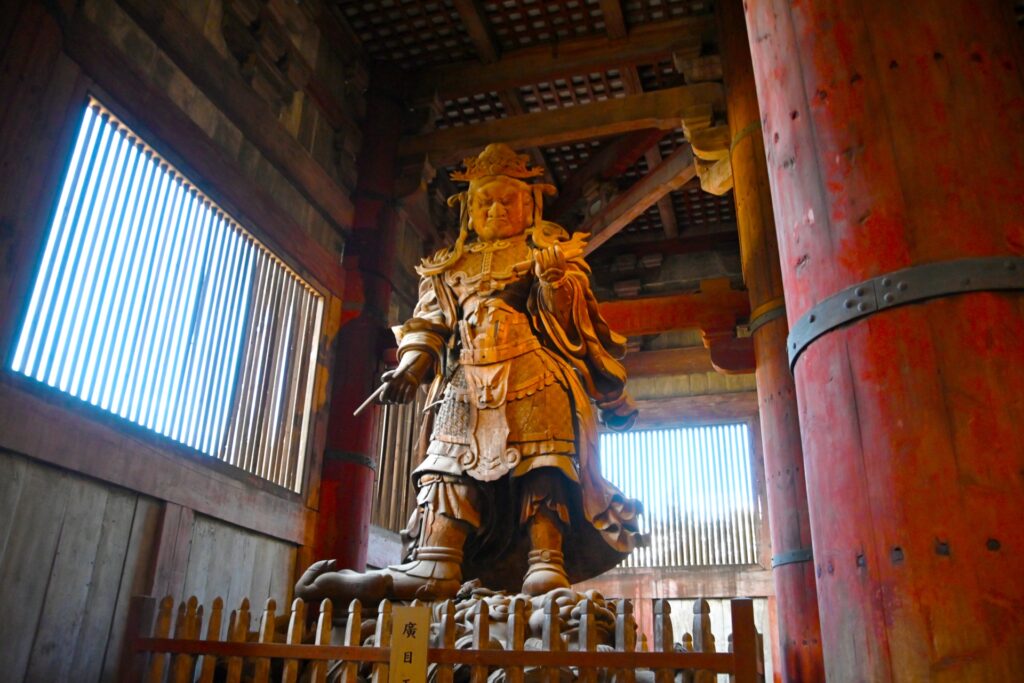
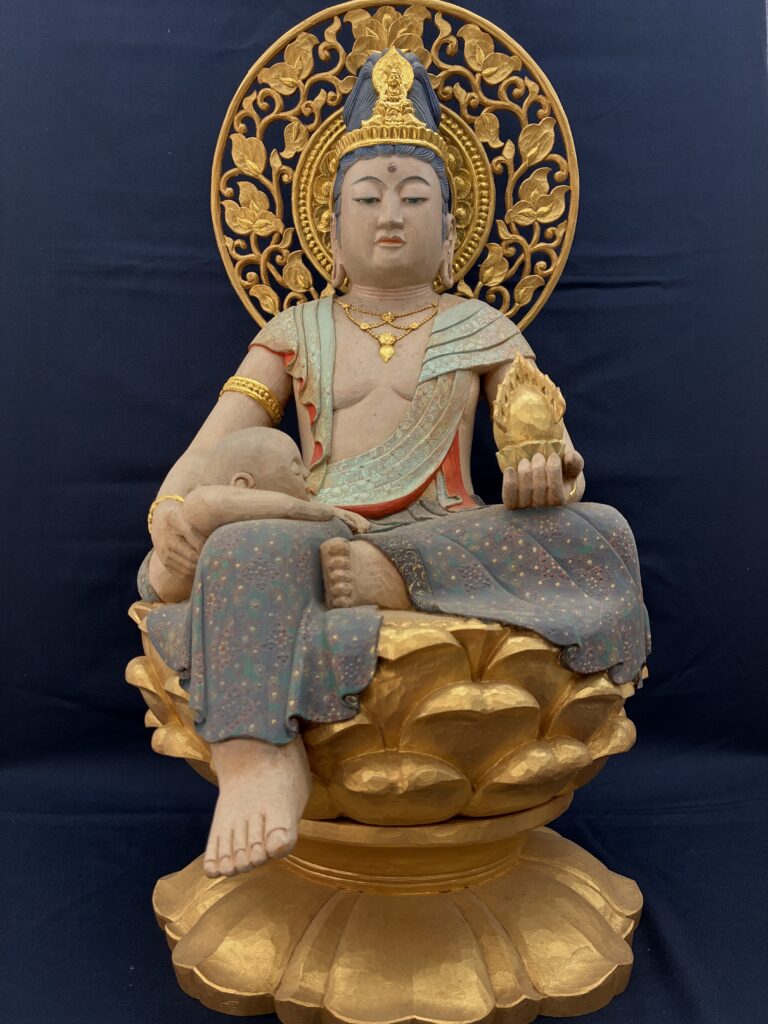
In many countries, religious sculpture and everyday craft are clearly separated.
In Japan, however, wooden statues are not only museum objects — they are living presences in temples that people visit regularly.
These works are often highly refined and created through long apprenticeships.
They represent the sacred dimension of wood carving.
2. Architectural and Decorative Carving
Wood carving also appears in buildings.
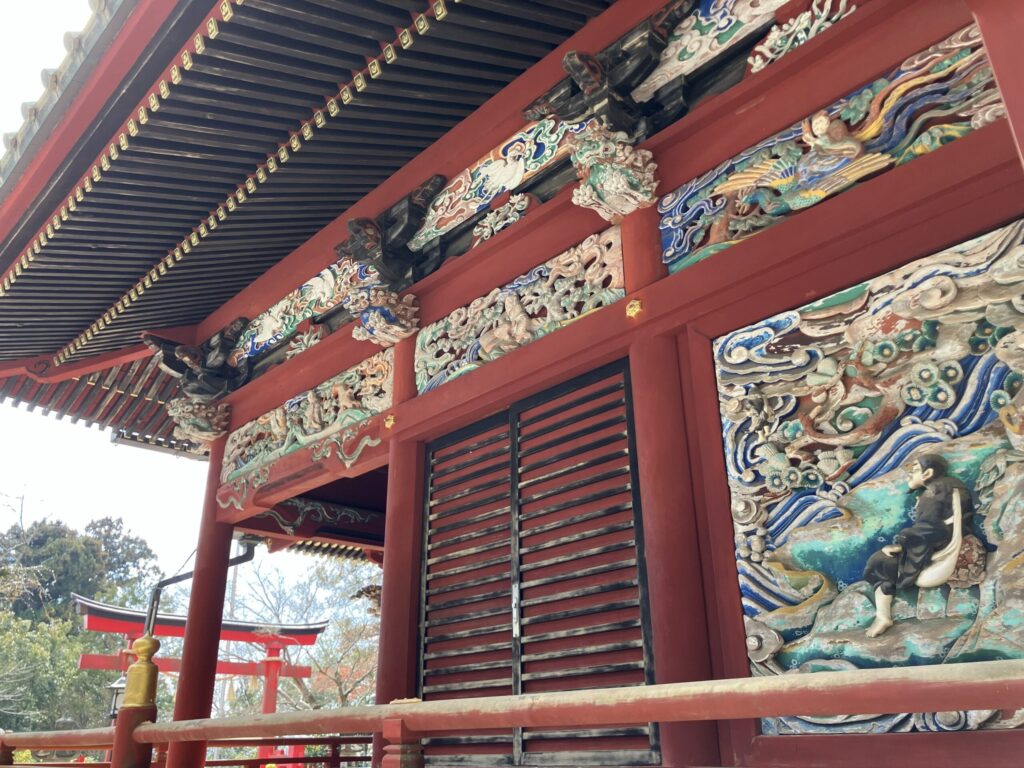
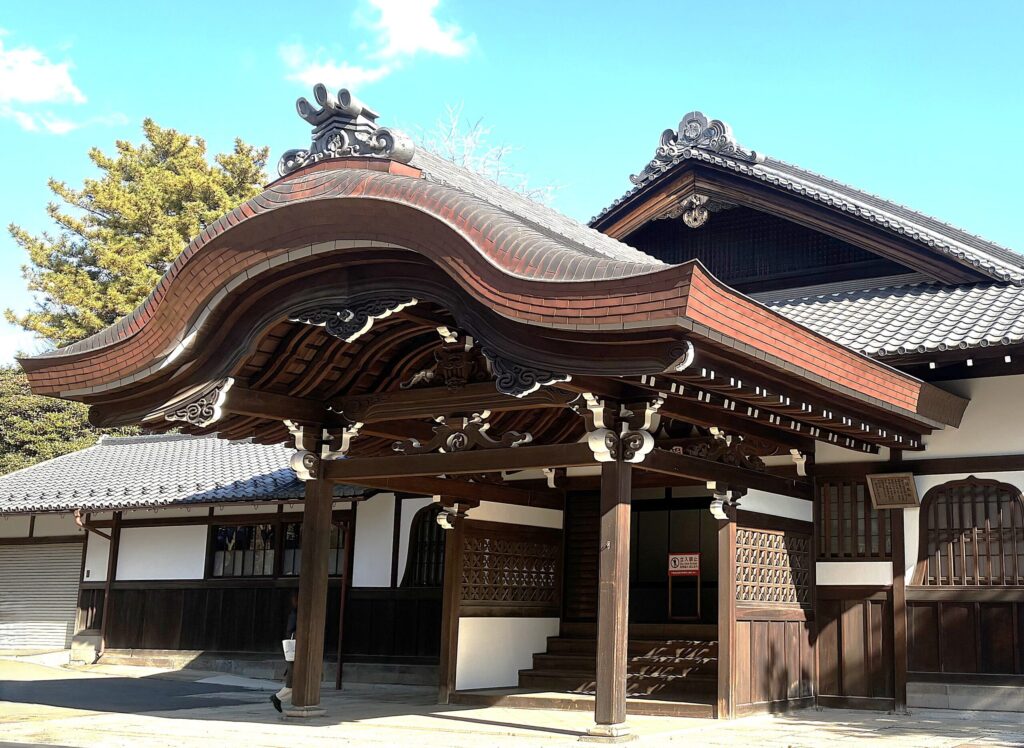
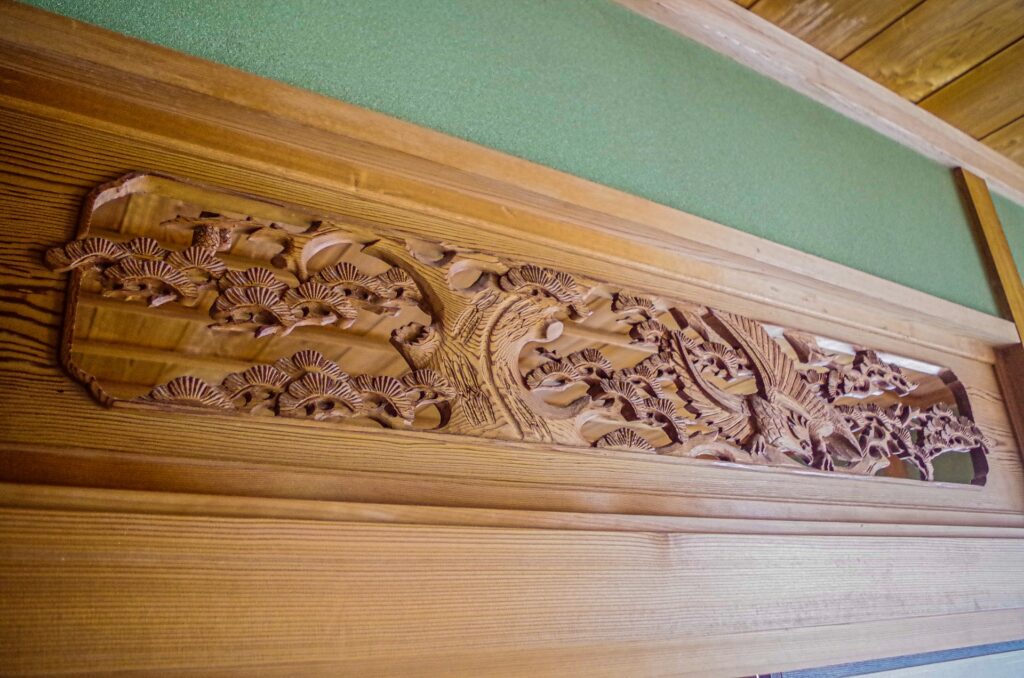
Temple gates, shrine structures, and even traditional houses may include carved wooden panels.
These are not independent sculptures but parts of architecture.
For readers unfamiliar with Japanese buildings:
historically, most structures were built from wood rather than stone.
Because of this, carving naturally became part of construction itself.
Here, carving functions as ornament, storytelling, and craftsmanship at the same time.
3. Folk and Everyday Carving
Another category includes folk crafts and regional objects.
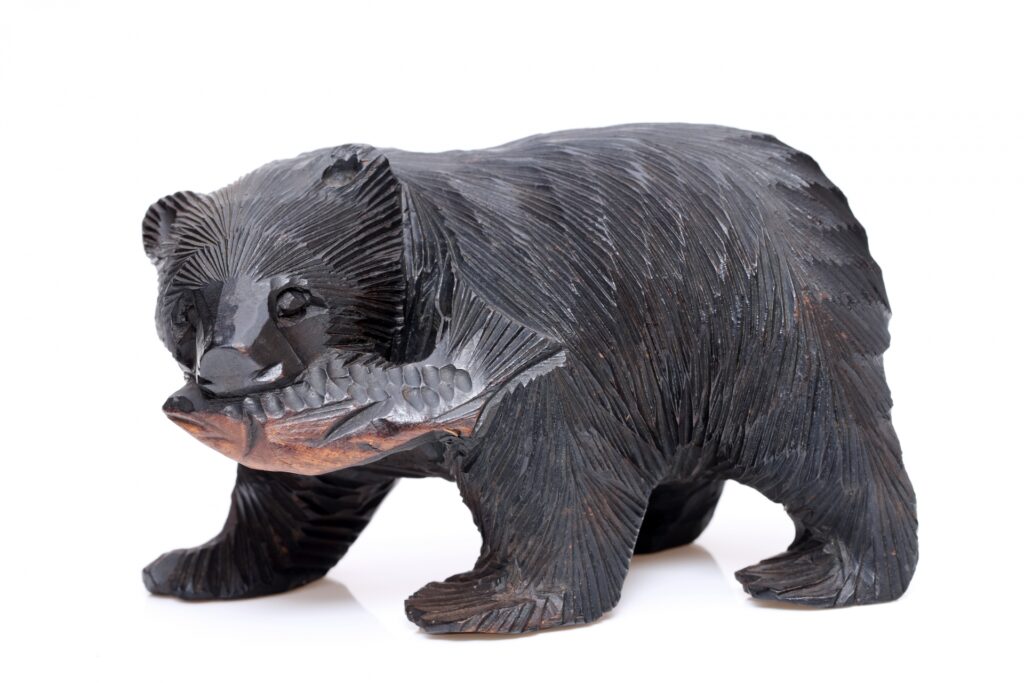
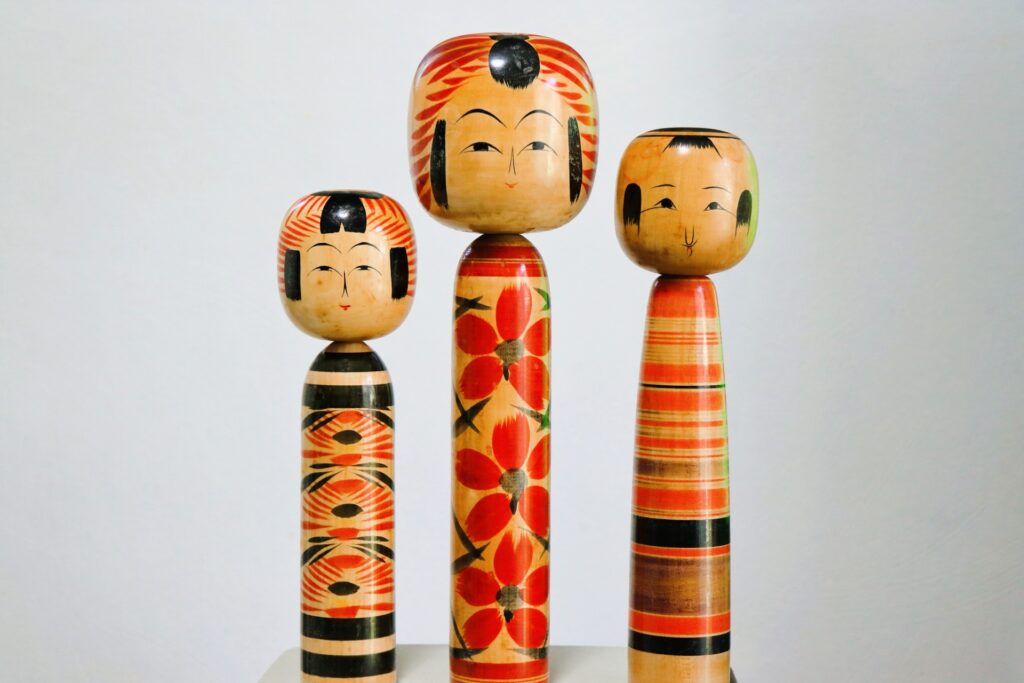
These might be toys, decorative items, or symbolic figures sold in local towns.
They are usually simpler in technique, but deeply connected to local identity.
For example, wooden bears from Hokkaido or simple carved dolls from northern Japan are widely recognized cultural icons.
In many countries, such objects would be described simply as “crafts” or “souvenirs.”
In Japan, they are still understood within the broader world of wood carving.
4. Contemporary and Artistic Carving
Finally, there are modern artists who create wood sculptures for exhibitions and galleries.
These works may not have religious or folk functions.
They belong more clearly to what many would call “fine art.”
Yet even here, the technical foundation often traces back to traditional carving methods.
A Wide Spectrum Rather Than Separate Boxes
Instead of strict categories, Japanese wood carving forms a spectrum:
- Sacred
- Architectural
- Folk
- Artistic
These are not isolated fields. They overlap historically and technically.
Understanding this helps explain why carving feels less like a specialized niche and more like a cultural layer embedded in daily life.
Why This Matters
In some cultures, sculpture belongs mainly to museums.
In Japan, wood carving can belong to:
- a temple hall,
- a house interior,
- a regional craft shop,
- or an art exhibition.
Recognizing this breadth allows visitors to see more when they travel —
to notice carved details in architecture, to appreciate a small handmade object, or to understand a wooden statue not only as art, but as part of a living tradition.
Wood carving in Japan is not one thing.
It is a continuum shaped by religion, building traditions, local culture, and artistic practice.
And that breadth is what makes it distinctive.
Experience Japanese Wood Carving in Yokohama
At the studio of my teacher, Uekusa Tōun, in Yokohama, Japan, visitors can experience a wide range of carving styles such as those introduced in this article.
Some of his original works are also available for purchase or commission. If you are interested, please feel free to contact the studio directly or reach out through the inquiry form on this website.