
Japanese woodcarving is often imagined as timeless — temple statues preserved in dimly lit halls, intricate shrine ornaments, techniques transmitted quietly from master to apprentice. Yet woodcarving in Japan is not merely a relic of the past. It is a living tradition shaped by history, belief, industry, and social change.
From sacred Buddhist sculpture to postwar reconstruction workshops, woodcarving reflects the evolving story of Japan itself.
The following essays introduce key perspectives on its cultural foundations and modern transformations.
Tradition, here, is not static. It survives through adaptation, resilience, and transmission.
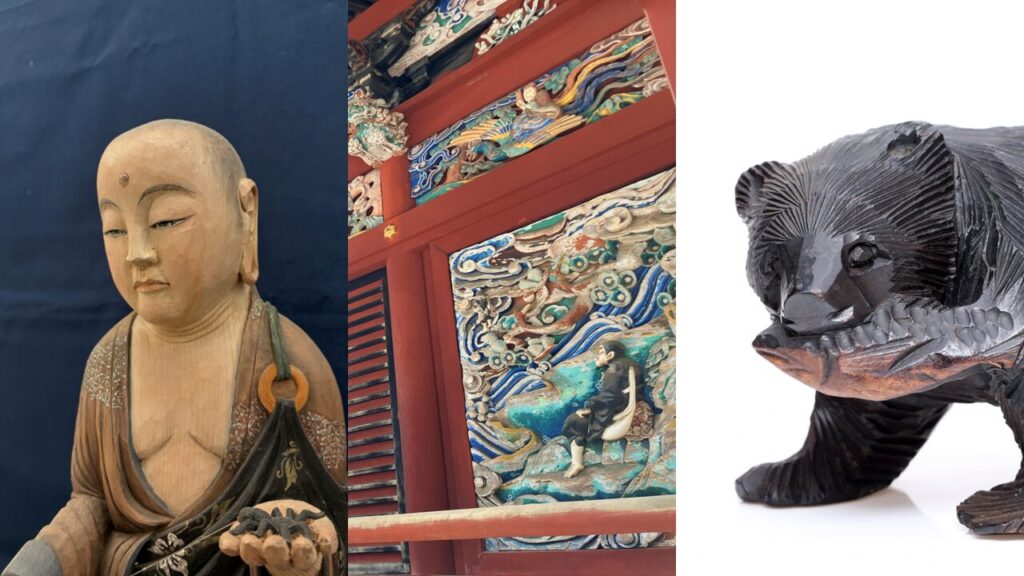
How Broad Is Japanese Wood Carving?— Rethinking Its Categories
This essay introduces the cultural foundations of Japanese woodcarving, tracing its development from sacred temple sculpture to its broader role in society. It explores how technique, belief, and craftsmanship have shaped the tradition across centuries — and how that tradition continues to evolve.
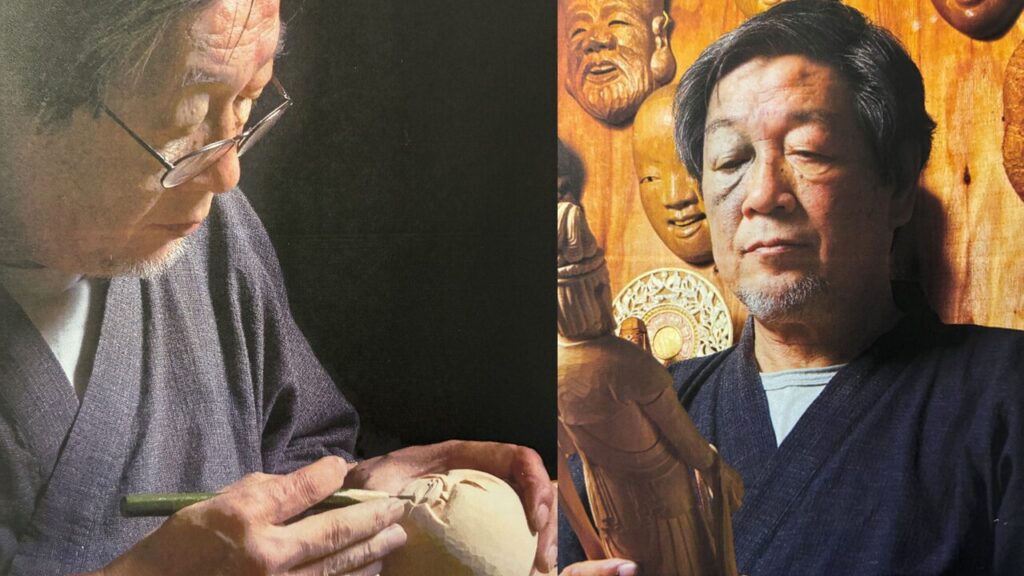
Woodcarving in Postwar Japan: A Master’s Recollection
Through the life of master carver Tōun Uekusa, this essay examines the dramatic transformations of Japanese woodcarving in the modern era — from postwar reconstruction and industrial expansion to decline, reinvention, and education. It offers a personal lens on the resilience of craft in times of change.
Selected Works
The essays above explore the cultural and historical background of Japanese woodcarving.
To see how these traditions continue in contemporary practice, please visit the gallery below.